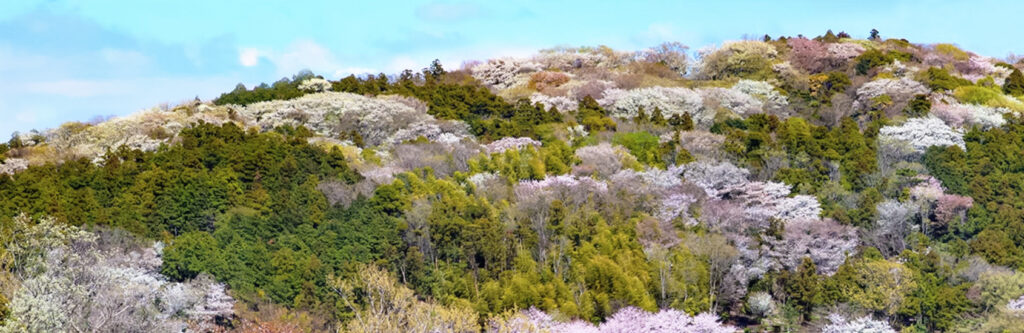
Tabisuke TabizoさんのTシャツのグラフィックを担当させていただきました。テーマは『六国見山』。
Mt. Rokkoku-mi, Kita-Kamakura
A graphic inspired by a small satoyama ridge in Kamakura.
Plants, birds, animals, and landforms are woven together to tell the quiet story of a mountain shaped by the long relationship between people and nature.
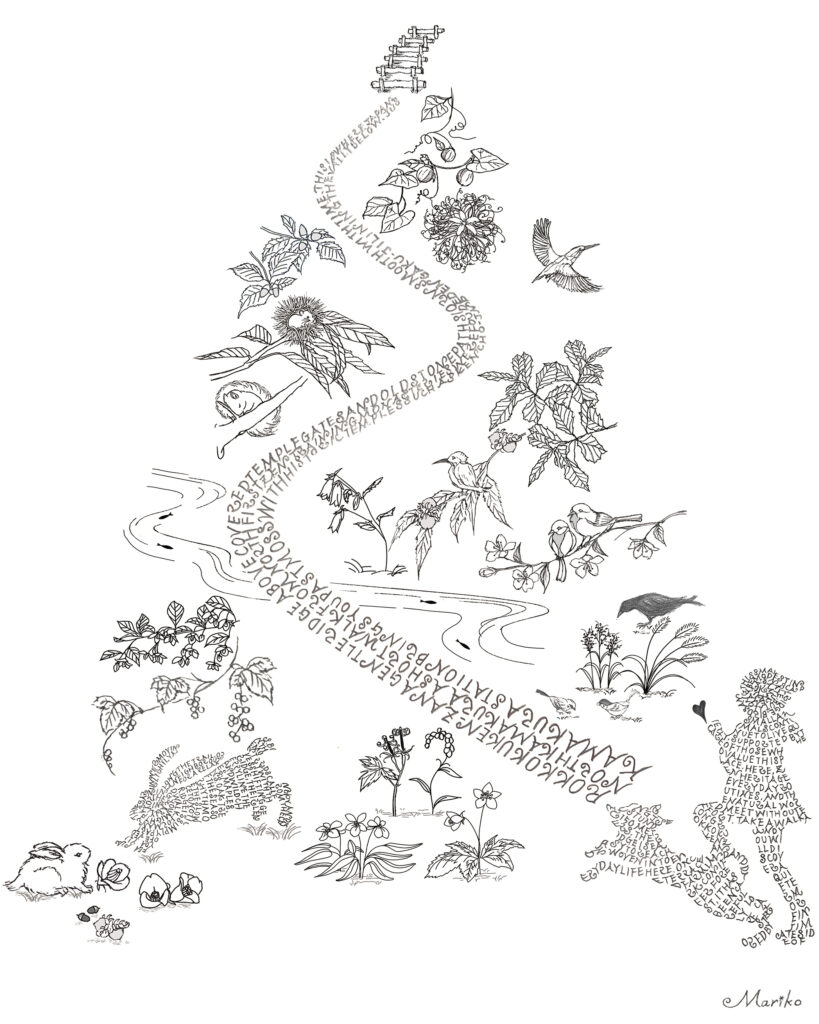
Rokkokukenzan
Trees(樹木)
クヌギ
Sawtooth Oak
コナラ
Konara Oak / Japanese Oak
クリ
Japanese Chestnut
ヤマザクラ
Japanese Mountain Cherry
エゴノキ
Japanese Snowbell
ヤブツバキ
Japanese Camellia
Mammals(哺乳類)
野ウサギ
Japanese Hare
野ネズミ
Field Mouse
タイワンリス
Taiwan Squirrel / Formosan Squirrel
Birds(鳥)
カワセミ
Common Kingfisher
シジュウカラ
Japanese Tit
カラス
Crow
スズメ
Eurasian Tree Sparrow
Vines & Shrubs(つる植物・低木)
カラスウリ
Snake Gourd
野ブドウ
Porcelain Berry
Wildflowers(野草)
ホタルブクロ
Bellflower / Japanese Bellflower
ニリンソウ
Windflower
スミレ
Violet
アカマンマ
Lady’s Thumb
ゲンノショウコ
Geranium / Japanese Geranium
Grasses(草)
ハネガヤ
Silvergrass
エノコログサ
Foxtail Grass / Green Foxtail
六国見山
北鎌倉の背後にそびえる、小さな尾根 六国見山。
Tabisuke TabizoさんのTシャツの柄になった、六国見山のイラストについてのお話です。
鎌倉に生まれ育ち、身近な自然に改めて興味をもった頃から、北鎌倉はたびたび足を運ぶ場所になりました。
鎌倉には、市民の手によって守られている緑地がいくつかあります。三大緑地のひとつである台峯では、いまも毎月「歩く会」が催され、谷戸を大切に思う地域の人々が歩き続けています。
六国見山は、その台峯緑地の向かいにそびえる小さな尾根です。ここもまた、地域住民の手によって守られ、手入れされ続けている場所です。
Tシャツのグラフィックを通して、鎌倉の里山の歴史や、自然と人の関わり、そしてそこに暮らす小さな生きものたちの存在が伝わったら──。
そんな思いで、六国見山の歴史を調べることから制作を始めました。
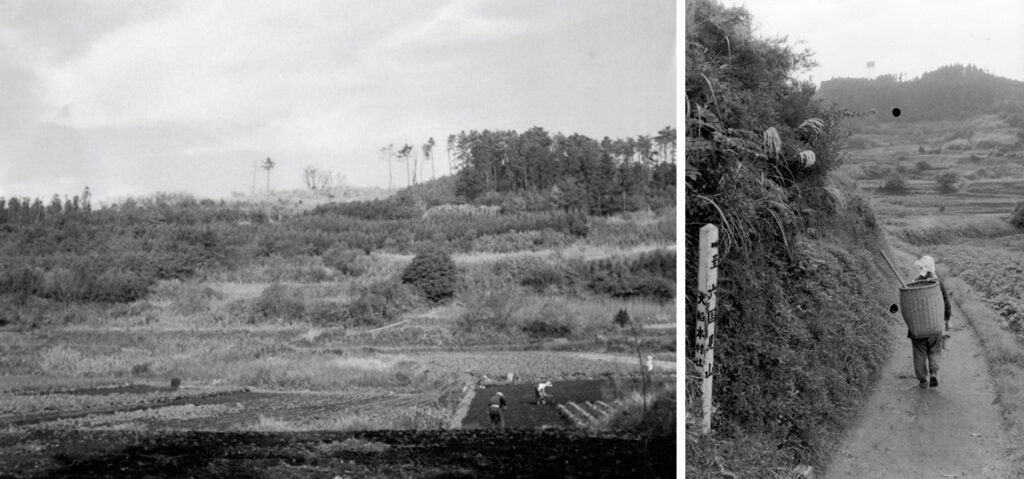
かつて針葉樹林と段々畑だった山は、長い時間をかけて少しずつ里山として育まれてきました。
このイラストから、そんな山の記憶や、吹き抜ける風の気配を感じていただけたら嬉しいです。
Mt. Rokkoku-mi, Kita-Kamakura
Behind the quiet temples of Kita-Kamakura rises a small ridge called Mt. Rokkoku-mi.
This illustration was created for a T-shirt by Tabisuke Tabizo.
Having been born and raised in Kamakura, I began visiting Kita-Kamakura more often when I started rediscovering the nature close to everyday life.
Kamakura still has several green areas preserved by local citizens.
One of the three major green spaces, Daimine Green Area, hosts a monthly walking gathering where people stroll through the valley landscape, appreciating the seasonal changes and caring for the yato — the traditional valley ecosystems of the region.
Mt. Rokkoku-mi stands on the opposite side of this valley.
Like Daimine, it is also a place that continues to be protected and maintained by local residents.
When creating this T-shirt graphic, I hoped to convey something of Kamakura’s satoyama landscape — the long relationship between people and nature, and the small creatures that live within it.
So I began by researching the history of the mountain.
Once covered with conifer plantations and terraced fields, the mountain has slowly been shaped over time into the satoyama landscape we see today.
Through this illustration, I hope you can feel a little of the mountain’s memory — and perhaps the quiet wind that passes through it.
(詳細はリンク先をご覧ください)
六国見山
北鎌倉を見下ろす穏やかな尾根
北鎌倉駅から少し歩くと、苔むした寺門や風化した石畳の道が続く。
ここに日本初の禅修行の寺が建立され、建長寺や円覚寺といった歴史ある寺院が谷間に連なっている。そのすぐ背後に六国見山はそびえ立つ——小さな尾根が、町を優しく見守っている。
標高150メートル弱の尾根は、気軽にアクセスすることができ、この地の日常に溶け込んでいる。かつては段々畑と暗い針葉樹林だったこの場所は、地元住民の手によって広葉樹林へと丁寧に再生され、懐かしい里山の風景を取り戻した。
早朝には、軽やかに走るランナーや、のんびり散歩を楽しむ人とすれ違うかもしれない。多くの人にとって、この尾根は日常の一部であり、季節の小さな移り変わりを感じる場所なのだ。
クヌギ、コナラ、楓、ヤマザクラなどが山を彩り、その葉は季節ごとにそっと色を変える。森には鳥のさえずりが響きわたり、時折そよ風が木々の間をすり抜ける。静かな日には、寺院の鐘の音がかすかに聞こえてくる。
頂上までの道のりは短いけれど、開ける眺めは予想以上に広い。晴れた日には、富士山の姿と箱根の山々が地平線に浮かび上がる。かつてこの尾根から六つの旧国が見渡せたという時代を思い起こさせる眺め——この山の名の由来となった眺望である。
鎌倉の自然は規模こそ控えめだが、この小さな尾根では、鳥や小動物たちが今も静かに暮らし続けている。この地を大切にする人々の思いが、日々の手入れをとおして支えているのだ。
ここでは禅の精神、日常の営み、自然がやわらかく溶け合っている。六国見山を散策すれば、北鎌倉のより静かであたたかい空気に触れることができるかもしれない。
Rokkokuken-zan
A Gentle Ridge Above North Kamakura
A short walk from North Kamakura Station brings you past moss-covered temple gates and old stone paths worn smooth with time.
This is where Japan’s first Zen training monasteries were founded, with historic temples such as Kenchō-ji and Engaku-ji lining the valley below. Just behind them rises Rokkokuken-zan—a quiet, unassuming ridge that gently watches over the town.
Rising just under 150 meters, the ridge is easy to reach and woven into everyday life here. Once terraced farmland and dark conifer forest, it has been carefully restored by local residents into a broadleaf woodland, returning it to the familiar landscape of satoyama.
In the early morning, you might pass a runner moving lightly along the trail, or a neighbor out for a relaxed walk. For many, the ridge is simply part of everyday life—a place to notice the slow rhythm of the seasons.
Oak trees, maples, and wild cherry line the ridge, their leaves shifting gently with the months. Birds call from the canopy, and now and then a soft breeze slips through the trees. On especially quiet days, the distant sound of temple bells drifts through the forest.
The walk to the top is short, but the view opens wider than expected. On clear days, Mt. Fuji and the Hakone mountains appear on the horizon, recalling a time when six old provinces were visible from this ridge—an outlook that gave the mountain its name.
Kamakura’s nature may be modest in scale, but along this small ridge, birds and small animals continue to live quietly, supported by the care of those who value this place.
Here, Zen heritage, everyday routines, and the natural world meet without effort.
Take a walk along Rokkokuken-zan, and you’ll discover a quieter, more intimate side of North Kamakura.